
Land Search and Feasibility Software
Check site data, risks and suitable home models before a project moves into design and estimating.
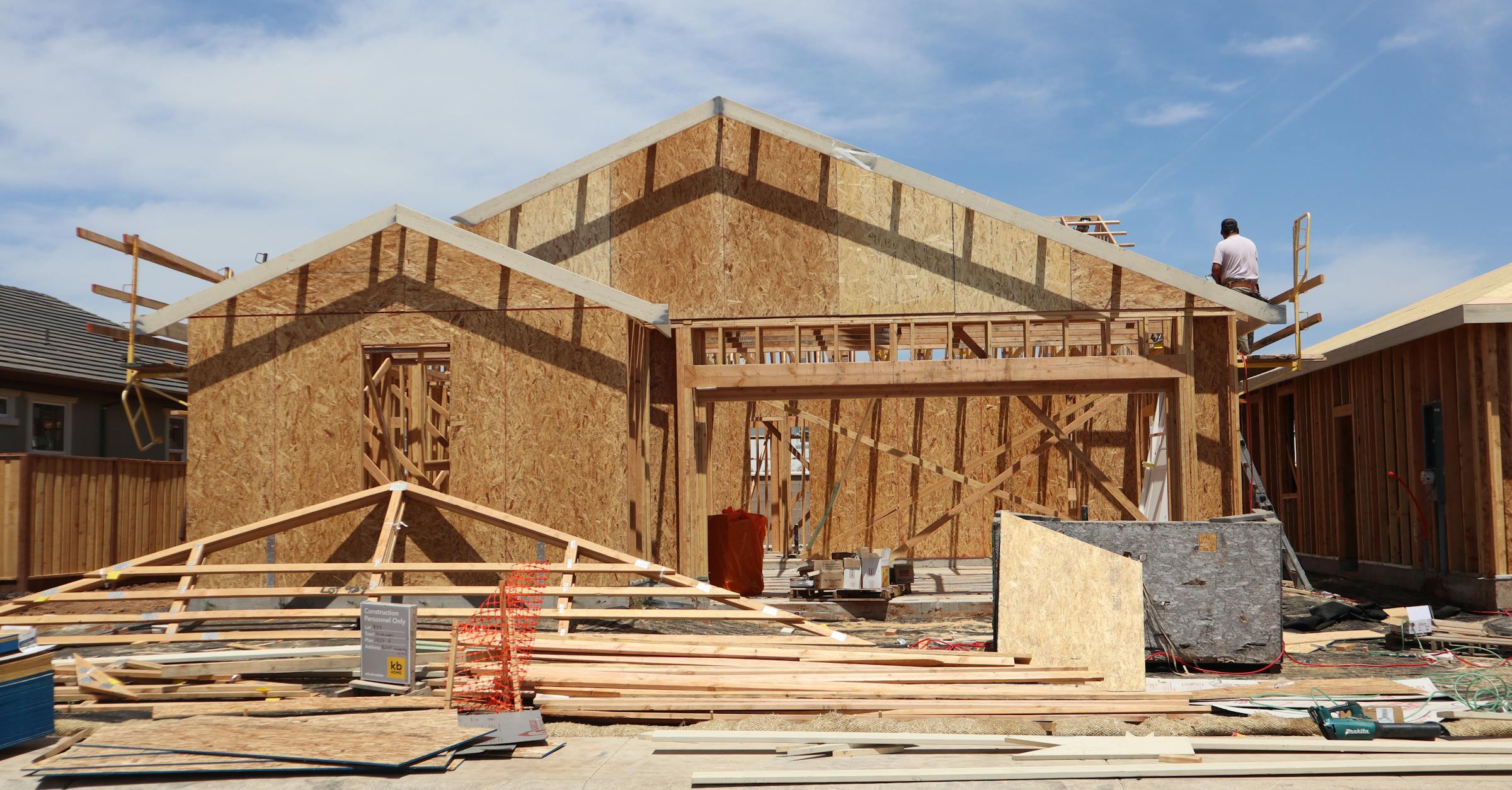
Check land, risk and feasibility before design starts
The feasibility module collects land details, servicing, location notes, zoning, planning rules, cost risks and matching home models in one place. The team sees early whether a plot fits the homeowner request and which questions must be resolved before design, estimating or purchase decisions begin.


Land Search and Feasibility Software for clearer home building operations
Land Search and Feasibility Software brings status, ownership, documents and decisions into one workflow that stays clear on site and in the office. Teams see earlier what is blocked, which approval is missing and which information is already documented well enough to act on. The feasibility module collects land details, servicing, location notes, zoning, planning rules, cost risks and matching home models in one place. The team sees early whether a plot fits the homeowner request and which questions must be resolved before design, estimating or purchase decisions begin.
The daily value sits around Location and zoning data and Home model matching: who captures the information, who has to respond, which deadline is critical and where the record needs to live. The result is a workflow, not another isolated screen that has to be maintained separately.
What Land Search and Feasibility Software solves operationally
Typical building blocks include Location and zoning data, Home model matching, Cost risks visible early, AI pre-check. The point is not more tiles; it is a connected flow across the jobsite app, office dashboard, roles, notifications, exports and audit trail.
Land Search and Feasibility Software reduces duplicate entry and makes operational risk visible: Location and zoning data and Home model matching are connected to schedules, costs, documents, photos, client communication and reporting instead of living beside the project.
AI, data and approvals in Land Search and Feasibility Software
AI is not a separate add-on here; it sits inside the operating workflow. Photos, drawings, notes, dates and costs are analysed where they are created. Location and zoning data, Home model matching, Cost risks visible early, AI pre-check can turn into ticket suggestions, risk signals, next steps or client updates. The important point is that every suggestion remains reviewable and a responsible person approves it.
Risky cases need explicit stop points: low model confidence, missing sources, permission conflicts, cost impact or customer-facing communication enter a review queue. That keeps speed high without giving up control, traceability or privacy.
Which data and integrations the module needs
For Land Search and Feasibility Software to work in daily operations, the data currently scattered across spreadsheets, email, business systems and file stores has to be modelled properly. The core inputs are roles, status values, deadlines, documents, comments, owners and the rules behind Location and zoning data and Home model matching.
A custom build connects that data to existing systems instead of forcing teams to maintain it twice: ERP, accounting, DMS, Microsoft 365, email, ticketing systems or mobile apps can be connected depending on the process. The goal is not the longest integration list; it is a clear source of truth.
Why a custom build can beat standard software here
Standard software starts faster and can be the right choice for simple workflows. A custom solution becomes stronger when Land Search and Feasibility Software has to fit exact roles, data ownership, approval paths, hosting requirements and internal exceptions. Then process fit matters as much as feature count.
The honest downside: a custom build needs more discovery, rollout work and prioritisation at the beginning. The upside comes afterwards: fewer workarounds, no per-seat logic, controllable hosting, owned source code and modules that can grow as requirements change.
What this solution covers
-
Location and zoning data
Plot, location, servicing, planning rules and risks are captured structurally.
-
Home model matching
The software shows which home models fit the plot, budget and client request.
-
Cost risks visible early
Servicing, soil, access or requirements are flagged as risks for estimating and proposals.
-
AI pre-check
AI summarises documents and flags open questions, but does not decide feasibility.
More pages in Preconstruction & Planning
- Project Inquiries & CRM Inquiries, homeowner wishes and next steps stay connected to the later construction project.
- Architecture & Design Concepts, drawing versions and homeowner decisions become traceable early.
- Permit Status Documents, authority questions and conditions stay connected to drawing revisions and schedule.
Frequently asked questions
Which problem does Location and zoning data solve in Land Search and Feasibility Software?
Location and zoning data keeps important information from disappearing into chats, emails or spreadsheets. Ownership, status, deadlines and records stay in one place; Home model matching can connect directly so the process does not break between tools.
Which data does Land Search and Feasibility Software need for the Home model matching workflow?
The core inputs are project data, roles, status values and the rules that currently control Home model matching and Cost risks visible early. Those inputs become a data model that remains searchable, exportable and extendable.
Can Land Search and Feasibility Software integrate the Cost risks visible early workflow with existing systems?
Yes. APIs, imports, exports and role models are planned so the Location and zoning data and Cost risks visible early workflows fit the existing process landscape. With a custom build, source code, data and hosting remain controllable.